
Data centres coupled with batteries can be active grid participants
An article in The Energy this week (https://lnkd.in/gTFk9YNC) makes a case worth thinking about: as Australia builds out digital infrastructure for the AI and cloud boom, we're also racing to decarbonise the grid. These are usually framed as competing pressures. But they don't have to be.
Pair a data centre with battery storage, and it becomes something more than a load. It can absorb excess renewable generation, support voltage stability, ease local network constraints, and cut reliance on diesel backup — all while helping the grid make better use of existing infrastructure rather than waiting years for network augmentation.
Research from Duke University found that relatively small increases in demand flexibility — less than 1% — could unlock 98GW of additional capacity from the existing US grid. That's the scale of opportunity sitting in front of us. theenergy
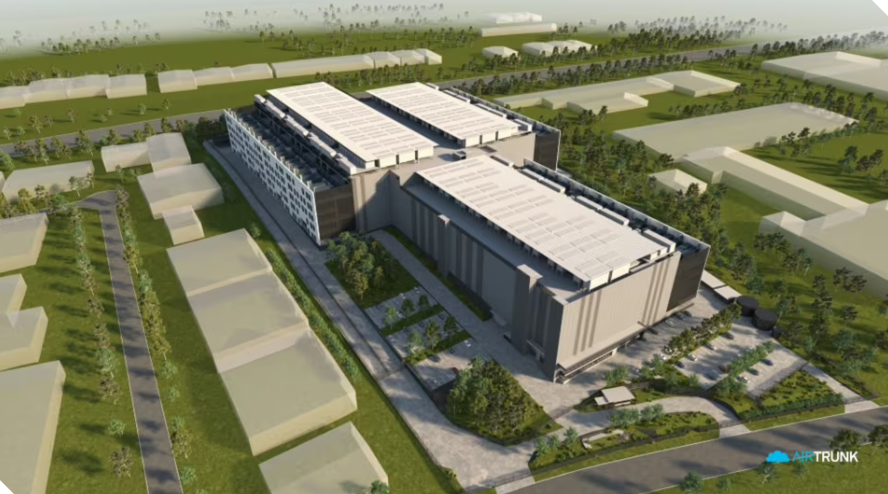
AirTrunk's SYD3 campus in Western Sydney, paired with a large-scale BESS, is one live example of this thinking in practice.
The catch here is that regulatory frameworks haven't caught up. Generator-plus-storage arrangements are well established, but there's currently no equivalent framework for load-plus-storage, and load performance standards are still evolving. Closing that gap will take AEMO, utilities, regulators and large energy users working together, cautiously, but hopefullyt with real urgency.
For those of us working in clean energy workforce development, this is the kind of shift that matters. New market frameworks, new technical standards, new operational models; all of it needs a skilled workforce ready to build, integrate and operate it. The data centre boom and the energy transition aren't necessarily on a collision course. Get the settings right, and one can accelerate the other.
#CleanEnergy #EnergyTransition #BESS #DataCentres #Renewables #WorkforceDevelopment